跳到内容
跳到内容 
Many food brands contact us after discovering grease stains, moisture damage, or packaging failures during storage. In many cases, the paperboard itself is not the problem. The missing barrier layer is.
Food-safe barrier coatings help paper packaging resist grease, moisture, oxygen, and water vapor. The right coating can improve packaging performance, product protection, and shelf life.
When sourcing food packaging, many buyers focus on paperboard thickness first. They assume a heavier board automatically provides better protection. After years of working with chocolate, bakery, coffee, and supplement brands, I have found that packaging performance often depends more on the barrier system than on the paperboard itself.
Why Do Food Packaging Projects Fail Without Barrier Protection?
Paperboard provides structure and printability, but it does not automatically provide protection against grease, moisture, oxygen, or water vapor. Without a suitable barrier layer, food products can gradually affect both the packaging and the product inside.
Food packaging projects commonly fail when grease, moisture, oxygen, or water vapor 1 move through paper packaging without adequate barrier protection.
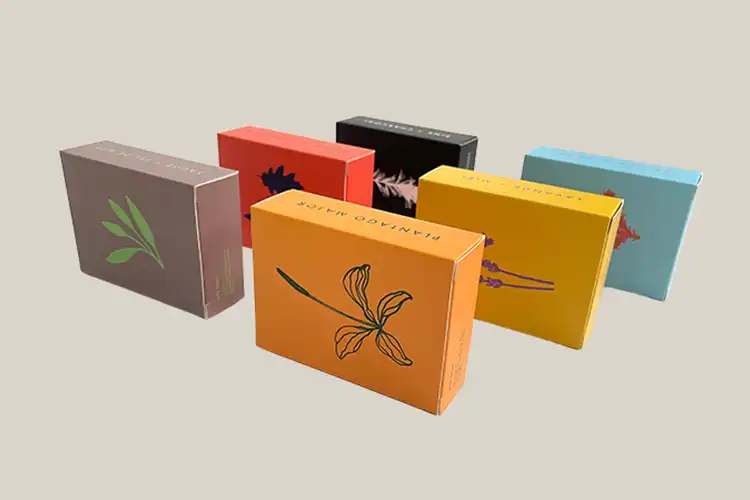
Common Packaging Failure Causes
Many buyers assume increasing paper weight will solve packaging problems. In reality, paper thickness and barrier performance serve different purposes.
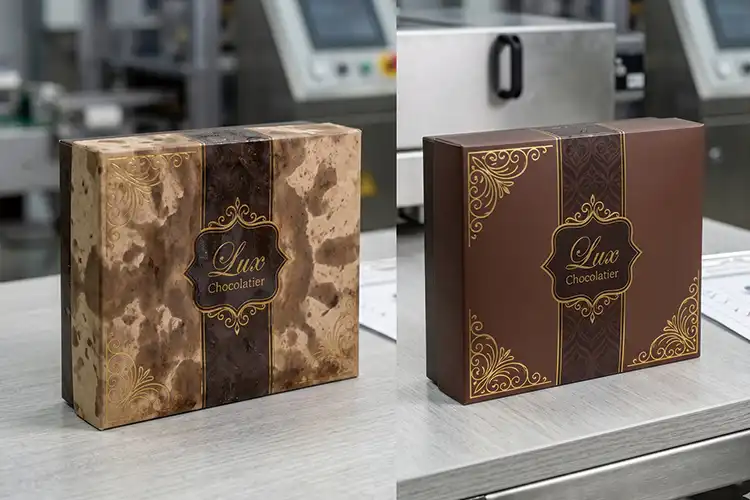
A confectionery brand once contacted us after oil marks appeared on the outside of its gift boxes during storage.
The team initially suspected paperboard quality issues. After testing the packaging, we found the barrier layer was insufficient for the product's fat content.
The solution was not a heavier board. It was a better barrier system.
Why Thickness and Barrier Performance Are Different
Paperboard thickness helps with:
- Box strength
- Stacking performance
- Structural rigidity
Barrier coatings help with:
- Grease resistance
- Moisture protection
- Oxygen resistance
- Shelf-life support
The Most Common Packaging Failures
| Packaging Issue | Typical Cause | Factory Observation |
|---|---|---|
| Grease stains | Weak grease barrier | Oil migrates through paper fibers 2 and reaches the printed surface. |
| Soft or warped boxes | Moisture absorption | Humidity weakens paperboard structure during storage. |
| Reduced shelf life | Oxygen exposure | Product freshness declines faster than expected. |
| Surface discoloration | Oil migration | Natural fats interact with paper fibers over time. |
Understanding the difference between structure and protection is often the first step toward solving packaging performance problems.
What Food-Safe Barrier Coatings Are Commonly Used?
Many buyers hear terms such as PE coating, PLA coating, water-based coating, and dispersion coating. The challenge is understanding which one matches a specific product.
Different barrier coatings are designed to solve different packaging challenges. No single coating is ideal for every food product.
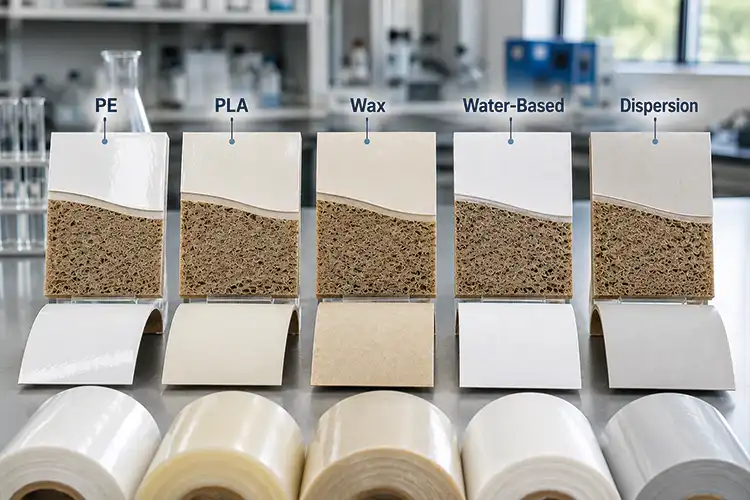
Food-Safe Barrier Coating Comparison
The most common barrier systems include:
PE Coating
Primarily used when moisture protection is critical.
Typical applications:
- Frozen foods
- Refrigerated products
- High-humidity environments
PLA Coating
Often selected when sustainability goals are part of a packaging project. It offers moisture resistance while supporting certain compostable packaging programs 3.
Wax Coating
A traditional solution commonly used for grease resistance in bakery and produce packaging.
Water-Based Barrier Coating
A popular option for food packaging because it can provide:
- Grease resistance
- Moisture resistance
- Improved recyclability
Dispersion Barrier Coating
A newer technology that can provide multiple barrier functions 4 within one coating system.
| Coating Type | Grease Resistance | Moisture Resistance | Typical Applications |
|---|---|---|---|
| PE | Medium | High | Frozen foods |
| PLA | Medium | High | Sustainable packaging |
| Wax | High | Medium | Traditional bakery products |
| Water-Based | High | Medium | Chocolate and bakery packaging |
| Dispersion | High | High | Premium food and supplement packaging |
The best coating is not the newest coating. It is the coating that solves the biggest packaging risk for the product.
Which Barrier Coating Is Best for Different Foods?
This is usually the first question buyers ask.
The best barrier coating is the one that addresses the biggest packaging risk for a specific food product.
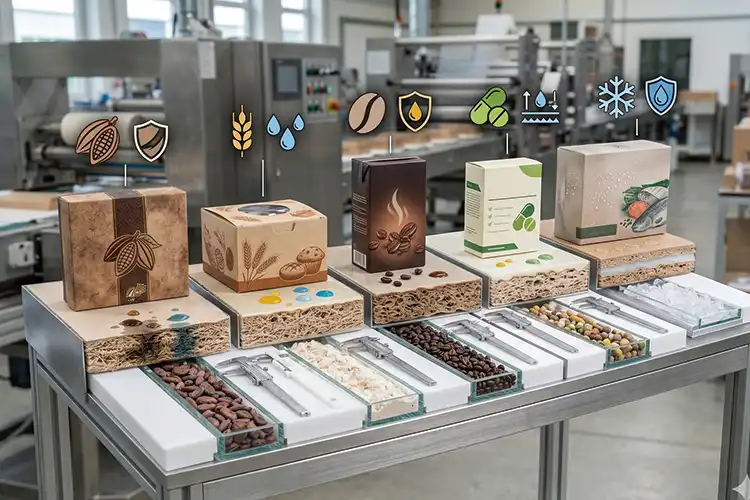
Barrier Selection by Product Type
Different food products create different packaging challenges. Selecting a coating should start with understanding the product rather than comparing coating names.
| Product Type | Primary Packaging Risk | Recommended Barrier Focus |
|---|---|---|
| Chocolate | Grease migration 5 | Water-Based or Dispersion Barrier |
| Bakery Products | Oil and moisture | Water-Based Barrier |
| Coffee & Tea | Moisture and oxygen | High Moisture Barrier |
| Supplements | Humidity exposure | Dispersion Barrier |
| Frozen Foods | Condensation | PE Barrier |
When customers ask which coating is best, we always start with the product itself.
The same coating that works well for chocolate may be unnecessary for supplements, while a coffee project may require completely different barrier priorities.
The product determines the risk.
The risk determines the barrier.
The barrier determines the coating choice.
How Should Buyers Choose a Barrier Coating and Prepare an RFQ?
Many brands request quotations before defining their packaging requirements. This often results in inaccurate pricing or unsuitable material recommendations.
Buyers should evaluate product characteristics, storage conditions, shelf-life goals, and sustainability requirements before requesting packaging quotations.

Barrier Coating RFQ Checklist
A bakery customer once requested a quotation using only box dimensions.
Later, we learned the cookies contained a high butter ratio. That single detail changed the barrier specification we recommended.
Small product details often have a bigger impact on packaging performance than box dimensions alone.
Before requesting a quotation, I recommend preparing the following information.
Product Information
- Chocolate
- Bakery products
- Coffee
- Supplements
- Frozen foods
Primary Packaging Risk
- Grease
- Moisture
- Oxygen
- Water vapor
Distribution Conditions
- Domestic shipping
- International shipping
- Warehouse storage
- Retail display
Sustainability Requirements
- Recyclable packaging
- Compostable packaging
- Plastic reduction goals
RFQ Information Checklist
| RFQ Item | Example |
|---|---|
| Product Type | Chocolate Truffles |
| Box Style | Folding Carton |
| Quantity | 5,000 pcs |
| Target Market | USA |
| Barrier Requirement | Grease Resistant |
| Sustainability Goal | Recyclable |
The more information you provide, the easier it becomes for a supplier to recommend the correct paperboard and barrier combination.
Need help selecting a barrier coating for your food packaging project? Tell us what product you are packing, where it will be sold, and how it will be shipped. We can recommend suitable paperboard and barrier combinations before mass production.
Conclusion
Food-safe barrier coatings help paper packaging resist grease, moisture, oxygen, and water vapor while improving packaging performance, product protection, and shelf life.
-
Learn how oxygen and moisture affect food packaging performance and shelf life. ↩
-
See how grease penetration through paperboard is measured and evaluated. ↩
-
Learn how compostable packaging is certified and verified in North America. ↩
-
Learn how dispersion coatings provide grease and moisture barriers in paper packaging. ↩
-
See commercial grease-resistant paperboard solutions used for food packaging. ↩