跳到内容
跳到内容 
What Should Buyers Ask Packaging Suppliers About PPWR?

PPWR is changing how packaging buyers evaluate materials, structures, documentation, and future compliance requirements. In this guide, I explain what buyers should ask packaging suppliers before approving new projects or reorders. I cover material specifications, packaging BOMs, laminations, window films, inserts, recyclability, food-contact considerations, supplier documentation, and structural optimization. I also explain why buyers should review packaging step by step instead of redesigning everything at once, using sampling and performance testing to reduce sourcing and production risks.
PET vs PLA Window Films for Packaging: Which Is Better?

PET and PLA are the two most common transparent window films used in paper packaging. While PET is widely valued for its durability, clarity, and established recycling infrastructure, PLA attracts brands seeking renewable materials and compostable packaging options. This guide compares PET and PLA window films from a packaging buyer’s perspective, covering sustainability, recyclability, transportation performance, cost considerations, and real-world applications. It also explains when each material makes the most sense based on product requirements, distribution conditions, and brand sustainability goals.
What Food-Safe Barrier Coatings Are Used in Paper Packaging?

Food-safe barrier coatings play a critical role in protecting paper packaging from grease, moisture, oxygen, and water vapor. This guide explains how different coating technologies such as PE, PLA, wax, water-based, and dispersion coatings work, and when they should be used. It also compares barrier requirements for chocolate, bakery, coffee, supplement, and frozen food packaging. Buyers will learn how to evaluate packaging risks, choose suitable barrier solutions, and prepare more accurate RFQs for custom food packaging projects.
Why Doesn’t Thicker Paper Stop Grease Stains in Food Packaging?

Many buyers assume thicker paperboard prevents grease stains, but grease migration depends more on barrier performance than GSM. This article explains why oil can still penetrate 400gsm paperboard, why packaging samples may pass while retail packaging fails, and how transportation conditions affect grease performance. Through real packaging examples and industry testing principles, it shows the difference between structural strength and grease resistance. Buyers can use these insights to avoid unnecessary material upgrades, reduce packaging complaints, and make more informed food packaging decisions.
What Really Causes Folding Cracks in Paperboard: SBS vs FBB vs CCNB?

Folding cracks in paperboard cartons are caused by more than just material quality. This article explains how SBS, FBB, and CCNB behave differently under folding stress, and how ink coverage, humidity, coating, and fiber structure affect visible cracking. Using real factory-side observations, the guide helps brands choose the right paperboard for better print quality, cleaner folds, and more stable packaging production.
Are Eco-Friendly Cosmetic Packaging Structures Really Sustainable Choices?

Not all eco-friendly cosmetic packaging is truly sustainable. This guide explains how structure, inserts, and shipping efficiency impact real performance and helps brands choose smarter packaging solutions.
How Do You Ship Chocolate Internationally Without Melting?
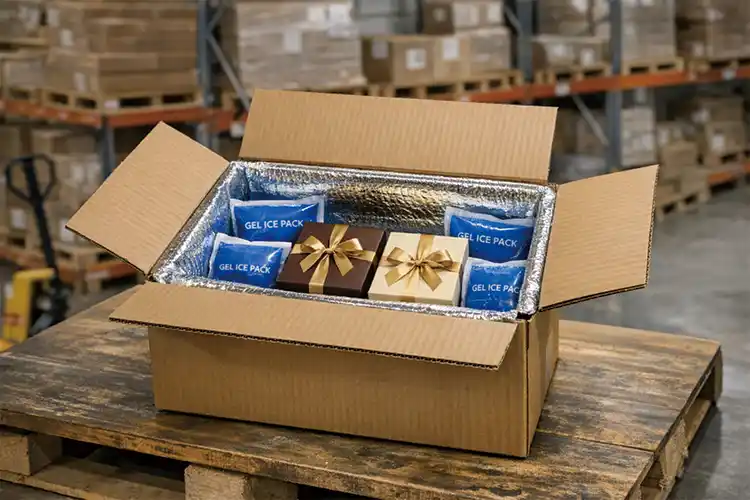
Shipping chocolate internationally can be challenging due to heat exposure during transport. This guide explains how temperature, packaging structure, and logistics conditions affect chocolate quality. It also introduces practical solutions such as insulated liners, gel ice packs, and double-wall corrugated cartons to reduce melting risk. By understanding real shipping conditions, brands can design packaging that protects chocolate and ensures consistent product quality during delivery.
Coffee Retail Display Packaging: Structures for Better Shelf Visibility?

Coffee retail display packaging helps products stay visible on crowded shelves. This guide explains display tray structures, shelf visibility problems, and how packaging design improves product presentation in retail stores.