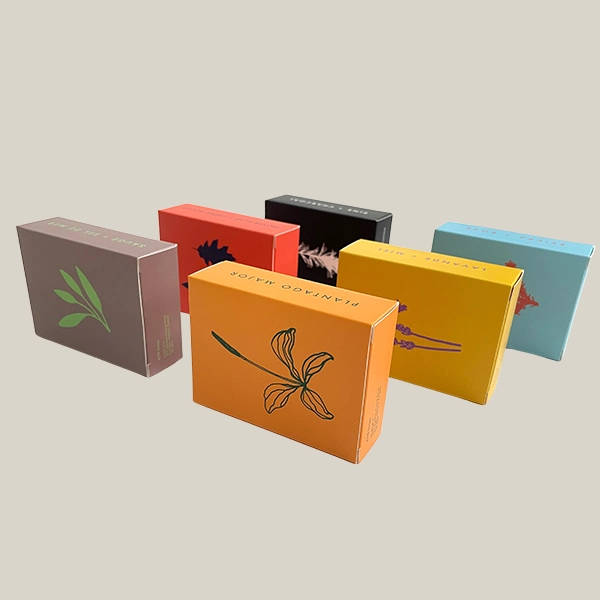
Are Eco-Friendly Cosmetic Packaging Structures Really Sustainable Choices?

 跳到内容
跳到内容 
Glass candles often break not because of the glass itself, but because the box structure fails under real shipping conditions. This article explains how rigid boxes and folding cartons handle weight differently, when each option is suitable, and how inserts and EVA foam protect glass jars during transport.

Luxury chocolate packaging often fails during shipping, not because of the product, but because of poor structural design. This article explains how inserts, rigid box structure, and real-world logistics testing prevent damage and protect brand value.

FDA labeling rules apply to supplement boxes, not just bottles.
This guide explains what information must appear on supplement boxes, how font size and layout affect compliance, why marketing claims create risk, and why online-only brands are not exempt from FDA requirements.

Cake box failure is rarely caused by size alone. Stability depends on matching cake height, weight, moisture level, and bottom structure. Factory-tested size clearance and reinforced bases like lock-bottom designs significantly reduce collapse during delivery.

Choosing the right packaging for pet treats requires balancing oil resistance, moisture control, food safety, and shipping strength. This guide explains which materials, coatings, liners, and box structures prevent stains, warping, odor leak, and transit damage for pet snack brands.
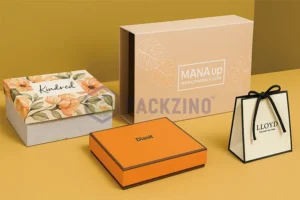
This 2026 guide explains how to choose the best materials for skincare boxes based on weight, oil content, fragility, and shipping pressure. It breaks down the differences between SBS, CCNB, rigid board, corrugated flutes, and eco-friendly papers, offering clear factory-level insights into strength, print quality, and cost performance. Ideal for skincare founders and procurement teams looking to build durable, professional, and scalable packaging.
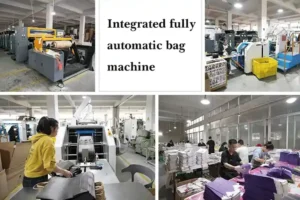
This guide explains how small brands can lower the MOQ for custom paper bags using real factory methods. Learn how standard sizes, stocked materials, automated handles, digital printing, and SKU consolidation reduce setup time and make 300–500 piece orders possible without high unit costs. Ideal for startups in gift, apparel, and food industries looking for flexible, cost-effective packaging production.
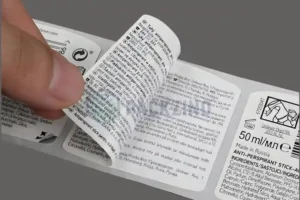
This guide explains how eco-friendly label materials, adhesives, inks, and certifications perform in real production. It helps brands choose stable, recyclable options, avoid common failures like PLA curling or ink absorption, and match materials to their actual filling or labeling environment. A practical resource for teams aiming for reliable and truly sustainable labeling.